
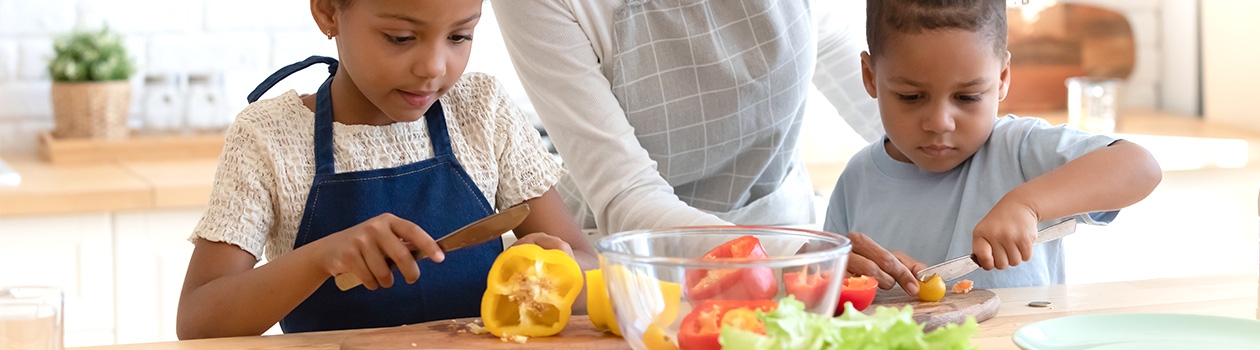
Encouraging children to eat more vegetables often involves small adjustments in everyday meals. The idea is to make vegetables more present, more attractive and more familiar with each dish. Here are some effective approaches.
1. Incorporate them into the dishes they already love
Adding vegetables to popular recipes makes it easier to accept them. Spaghetti sauce enriched with grilled vegetables, meatballs with shredded carrots, or mac and cheese with broccoli added to it are simple ways to add variety to the already familiar menu.
2. Vary textures, cuts and colours
Texture and appearance influence the appreciation of vegetables. Some kids like them crunchy, others prefer them roasted or mashed. Vegetables cut into sticks, spirals or small pieces can already change the perception. The presence of different colours—orange carrots, green broccoli, red tomatoes, yellow corn, purple cabbage —also brings liveliness to the dish and can make you want to taste it.
3. Focus on baking
The way you cook can completely transform the perception of vegetables. Roasted in the oven, they develop a milder, slightly sweet flavour. Carrots, cauliflower, broccoli or sweet potatoes simply cooked with a little oil and seasonings gain in taste and character.
4. Opt for the air fryer
The air fryer is also a good ally for preparing vegetables. It allows you to obtain a golden and crispy surface while maintaining a tender interior. This texture, similar to that of fried foods but with less fat, changes the mouth feel and renews the interest in vegetables.
5. Serve them with dips
Serving vegetables with a dipping sauce can encourage children to eat more. Hummus, seasoned Greek yogurt, guacamole or cheese sauce can sometimes be enough to turn a plate of raw vegetables into a more inviting snack. The dips add flavour and playfulness, which makes it easier to enjoy them.
6. Add toppings
Toppings are another way to highlight vegetables. A little shredded cheese, crushed seeds or nuts, fresh herbs, or a drizzle of dressing can enhance the taste and texture of a vegetable dish. These small additions create more depth and make the vegetables more appetizing.
7. Offer a choice between two vegetables
Offering to let children choose between two vegetables can make them more open to eating them. For example, asking them if they prefer cauliflower or carrots with the meal gives them some decision-making power, while maintaining the presence of vegetables. This simple choice helps to break down reluctance.
8. Present veg regularly
Repeated exposure to a food plays an important role. A child may need to taste a vegetable several times before enjoying it. Offering small portions, without forcing them to finish the plate, develops curiosity rather than resistance.
9. Lead by example
Children observe adults a lot. When vegetables are a natural part of family meals and parents enjoy eating them themselves, they become easier to accept.
10. Involve the kiddos
Participating in the choice or preparation of vegetables can increase their interest. Letting them pick out a vegetable at the grocery store, help wash it, or assemble a salad gives them a sense of involvement and can make them more inclined to taste it.
To move from theory to practice, discover two new recipes that illustrate how to easily integrate vegetables into everyday life. From penne with creamy cauliflower sauce, enhanced with roasted florets and sausage, to moist and savoury zucchini-chocolate bread, these dishes prove that you can make children love vegetables… without imposing them on them.

